
Model Context Protocol (MCP) Simplified: What You Need to Know, Plus This Month's Med AI Gems 💎
Updates on Artificial Intelligence in Medicine 🤖💊

“I encourage people to push [AI] for the unknown. I think everyone here knows someone who is suffering from a health condition that needs something beyond what we can offer today.”
Jessica Mega, MD, MPH, Stanford cardiologist and a co-founder of Alphabet’s Verily
Welcome to The ‘Med AI’ Capsule Newsletter—your go-to source for exploring how AI is transforming medicine! Whether you're a medical professional 👩⚕️, a tech enthusiast 💻, or simply curious 🧠, The 'Med AI' Capsule is for you! Stay ahead of the curve with the latest trends, insights, and updates in the rapidly evolving world of AI in medicine. 🚀
In today’s capsule:
5 QnA Primer
4 Research Picks
3 Learning Resources
2 Worth-Attending Events
1 Industry Spotlight, and more..
Time to Read: Around 8-10 minutes.
💬 5 QnA Primer
The concept for today is Model Context Protocol (MCP).
Q1: What is Model Context Protocol (MCP)?
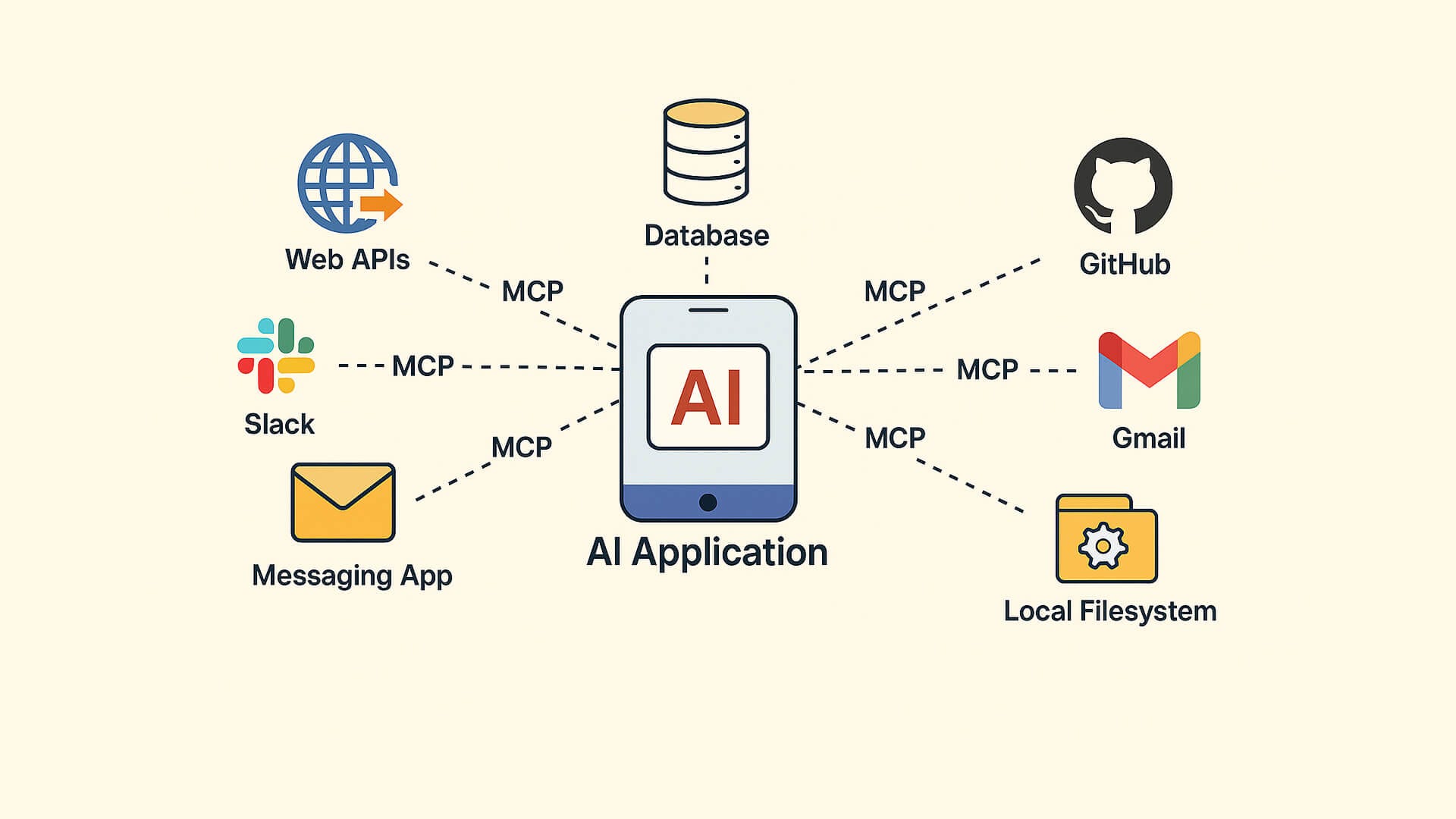
Model Context Protocol (MCP) is an open standard that enables AI applications to connect with external tools, databases, documents, and software through a common interface. Using a client-server architecture, it standardizes how AI systems access information and services, with interoperability—not increased model intelligence—as its primary goal.
Q2: Why is MCP generating so much interest?
Traditionally, developers often had to build separate integrations for each tool or data source they wanted an AI application to access. MCP aims to reduce this fragmentation by providing a standardized way for AI systems to interact with external resources. This can make integrations easier to build, maintain, and reuse across different AI applications.
Q3: What are MCP clients and MCP servers?
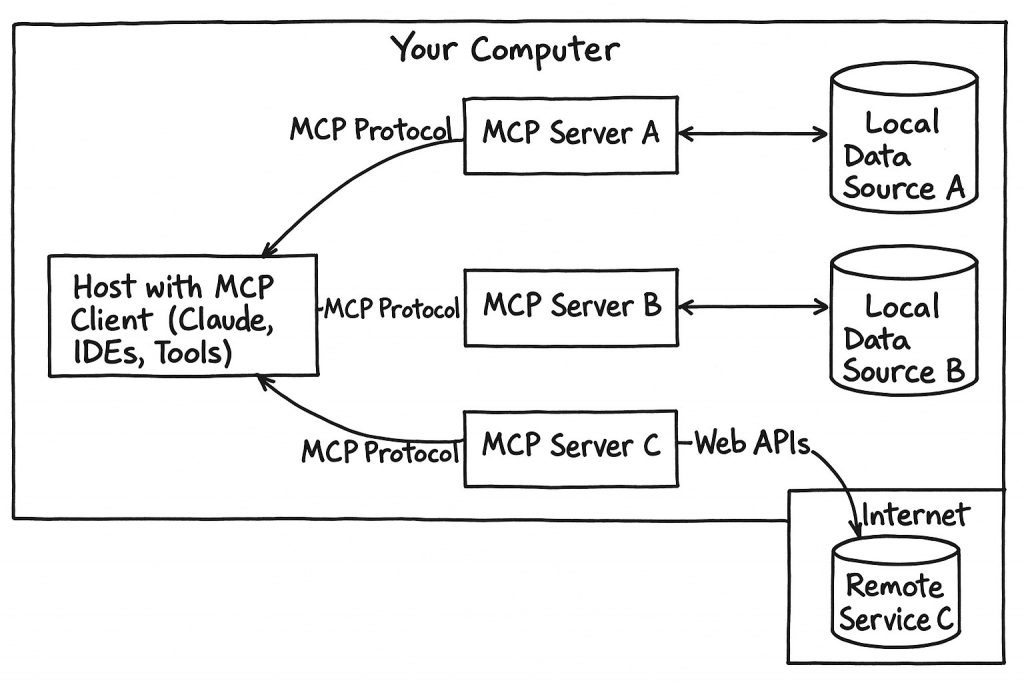
The client is the AI application requesting information or actions; the server provides access to tools, data, or services through the MCP standard.
Q4: How could MCP be relevant to healthcare?
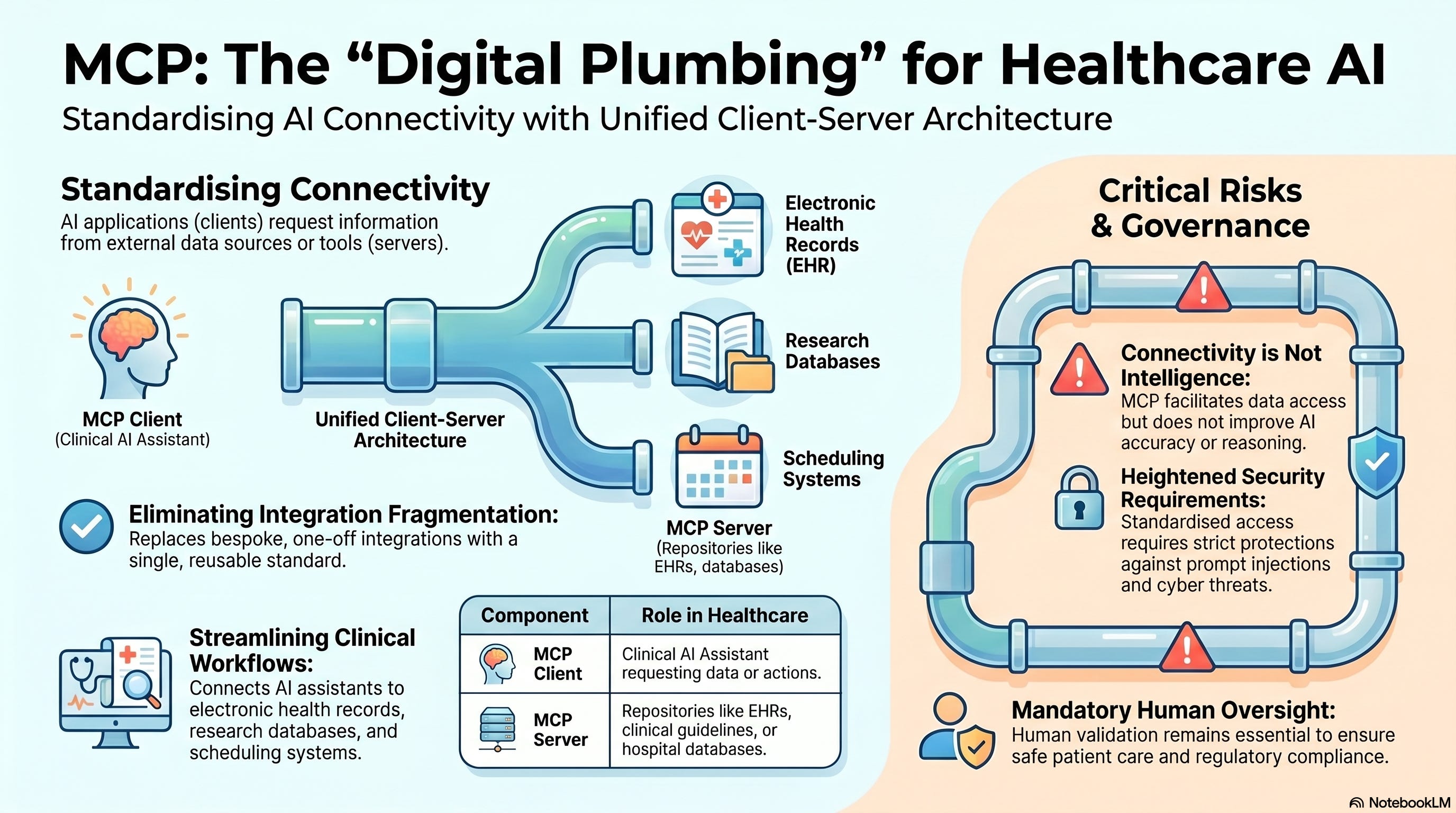
In healthcare, MCP could potentially enable AI assistants to interact with electronic health records, clinical guidelines, scheduling systems, research databases, and other healthcare applications through standardized connections. This may support workflows such as information retrieval, documentation assistance, and administrative tasks. However, any healthcare deployment would still require appropriate privacy protections, access controls, validation, governance, and regulatory compliance.
Q5: What limitations and risks should clinicians understand?
MCP improves connectivity, not clinical accuracy. AI systems connected through MCP can still produce incorrect, incomplete, or misleading outputs due to flawed data or model errors. Additional risks include cybersecurity threats, prompt injection, inappropriate tool access, and privacy concerns. Human oversight, validation, and governance remain essential before use in patient care.
Further Reading
Harvey Castro, MD, MBA. Model context protocol: the standard that brings AI into clinical workflow. KevinMD, May 29, 2025.
Singh, Ashish, Kuldeep Singh, and Mridul Saran. “Introducing HMCP: A Universal, Open Standard for AI in Healthcare.” Innovaccer, May 1, 2025.
Wolters Kluwer. “Exploring MCP: How Model Context Protocol Supports the Future of Agentic Healthcare.” Wolters Kluwer Expert Insights. June 5, 2024.
🔬 Research Picks
Teaching Personalized Doctor-Patient Communication with AI: PerTRAIN - a Prototype for Interpersonally Responsive Virtual Patients in Medical Education | Perspect Med Educ.: An LLM-powered virtual patient platform that adapts to learners’ communication styles, offering scalable practice in personalized doctor–patient communication, though large-scale validation is still needed.
Effectiveness of AI and rule-based conversational agents for depression, anxiety and stress: A meta-analysis | NPJ Digit Med.: A meta-analysis of 48 trials found AI and rule-based chatbots produced modest but significant reductions in depression, anxiety, and stress symptoms, though long-term effectiveness remains uncertain.
Ambient AI Scribes to Create Educational Feedback Notes for Medical Students: Randomized Trial | JMIR Med Educ.: Ambient AI scribes helped educators create higher-quality feedback for medical students without increasing workload, but occasional inaccuracies highlight the need for human review.
AI-Generated Avatar Videos for Postoperative Patient Education Among Health Care Workers: Pilot Randomized Controlled Trial | JMIR Perioper Med.: AI-generated avatar videos improved engagement and perceived understanding of postoperative instructions compared with text handouts, though objective knowledge gains were not significantly different.
P.S. Each research pick title links to the original paper—do explore yourself for deeper insights, methodologies, and study limitations.
✨ Industry Spotlight
Canopi Strategy Partners is a consulting firm that positions itself as a transformation partner for leaders seeking tangible results.

They help organizations drive growth, operational transformation, leadership development, and innovation. The firm focuses on translating strategy into measurable business outcomes across industries.
*This ‘Industry Spotlight’ is editor-picked, not sponsored. Mention reflects interest, not endorsement.
📚 Learning Resources
This video focuses on how healthcare clinicians and researchers can use Perplexity AI and the Comet Agentic Browser to optimize their workflows.
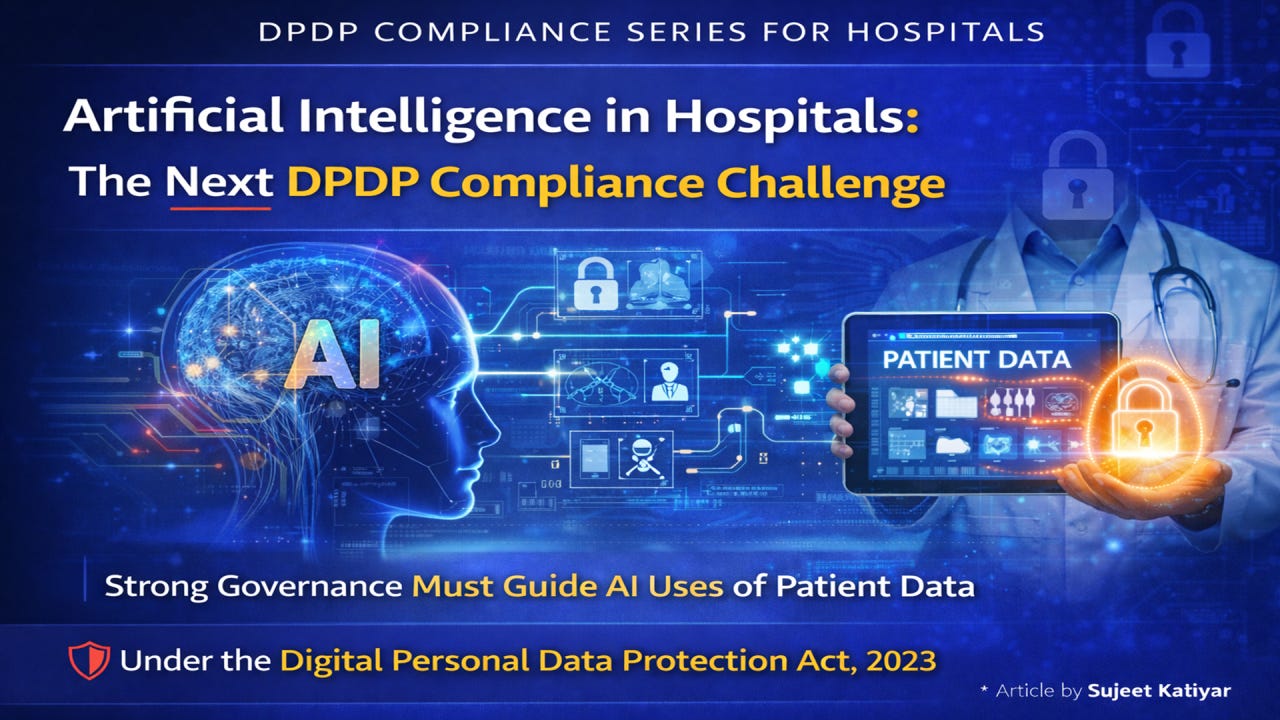
This post examines how India’s new Digital Personal Data Protection Act (DPDP, 2023) challenges hospitals adopting AI.
Click on Image to Read Webinar on Practical AI in Pain Medicine: Enhancing decisions, improving care, streamlining practice.
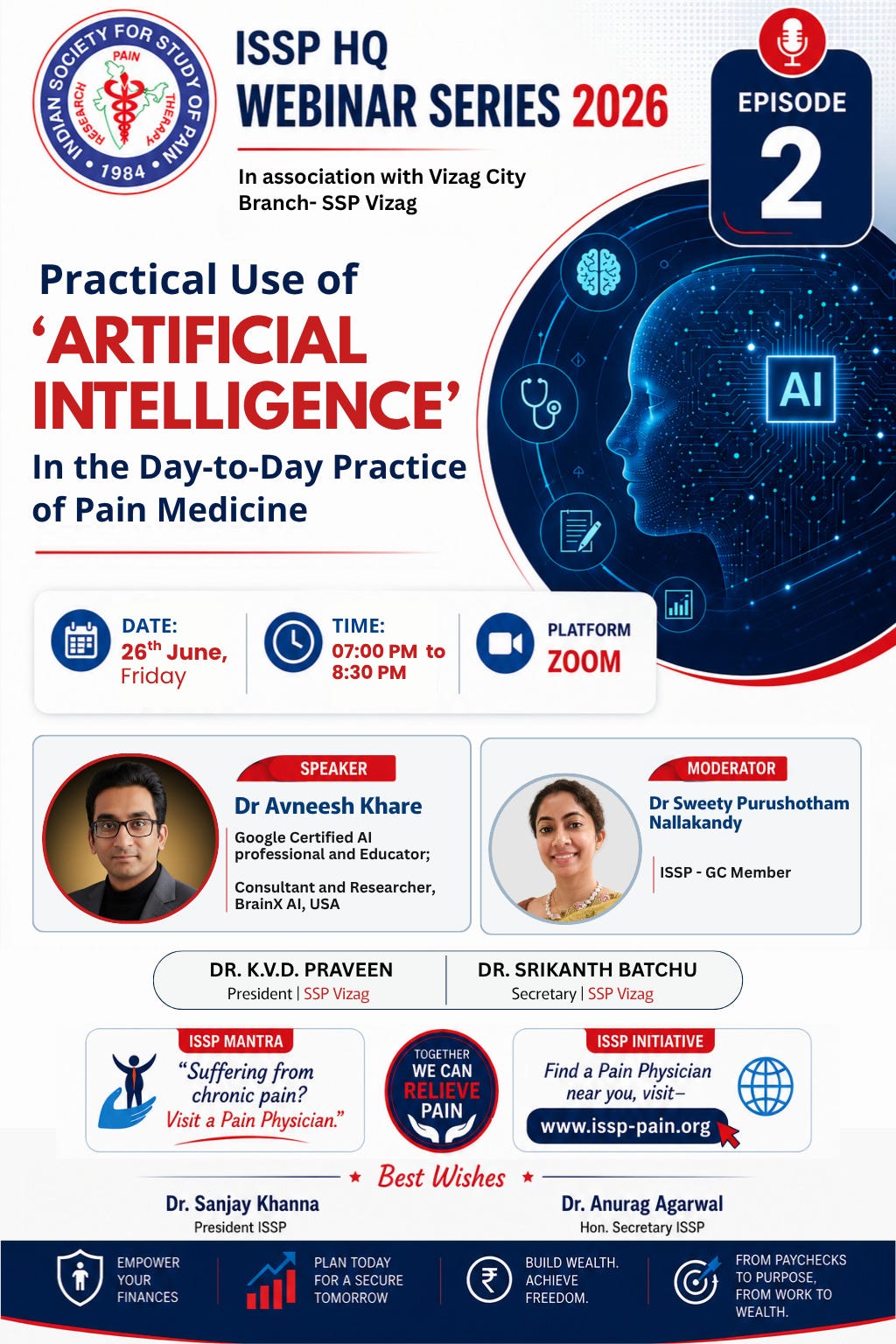
Click on Image to Register


🧑💻 Worth-Attending Events


Your feedback is crucial to me, as it helps me understand your interests and improve my offerings. I would appreciate it if you could take a few minutes to share your thoughts about what you’ve enjoyed and what you think I could do better.
Let’s wrap it up with some latest news updates! 📰
Mayo Clinic and Microsoft are partnering to build a frontier health AI model that combines Mayo’s clinical data with Microsoft’s AI capabilities to enhance diagnosis and personalized treatment worldwide.
NMC chief Abhijat Sheth emphasized that AI will augment doctors, not replace them, while transforming medical education and driving a national mission for AI literacy in healthcare.
The AMA has introduced a seven‑principle framework to protect physicians from AI deepfakes, emphasizing identity rights, transparency, consent, and legal safeguards to preserve trust in healthcare.
Stay tuned for the upcoming issues of my newsletter to explore the latest breakthroughs and dive deep into the transformative power of artificial intelligence, shaping a healthier future. 🚀

Disclaimer: The content in this newsletter was partly curated and summarized using AI LLMs, which can make mistakes. Please check all important information at your end. For any issues, please reach out at avneeshkhareonline@gmail.com.